


What Gets the Blame?
Unpacking Media Narratives of ACL Injury Determinants in Men’s and Women’s Professional Football
The Issue
Football (soccer) is a high-risk sport for ACL injuries. With the exponential rise in popularity of women’s football over the last decade, ACL injuries have become a common narrative in the media. Traditionally, biological explanations have dominated conversations around risks of ACL injuries. While we are seeing a rise in socio-cultural explanations for ACL injuries among the sports medicine community, we do not have a complete picture of the current state of messaging that the public receives surrounding ACL injuries.

Why this matters?
The news media is a valuable and trusted source of information for the general public. Using the dominant biological paradigm can reinforce a general understanding that women’s bodies are unideal for high-performance sport. By considering the social and physical environments, we can shift the public’s beliefs from viewing injuries as inevitable to recognizing them as preventable.


Project Aims
Through a review of relevant digital articles published by news media outlets, this study looks to find:
Explore how the media report on ACL injuries in professional football (soccer).
Identify the key narratives characterizing how the media frame the reasons for injury for women vs men athletes.
Study Methods
Search
digital news stories published between 2015 and 2025 related to ACL injuries and football

Data Collection
Search terms were input into Google News and reviewed for eligibility

Data Extraction
relevant information from eligible articles saved in an Excel extraction table

Data Analysis
Smith’s (2016) process for a thematic narrative analysis


What We’ve Learned
Thank you to our funders & collaborators for supporting the project:

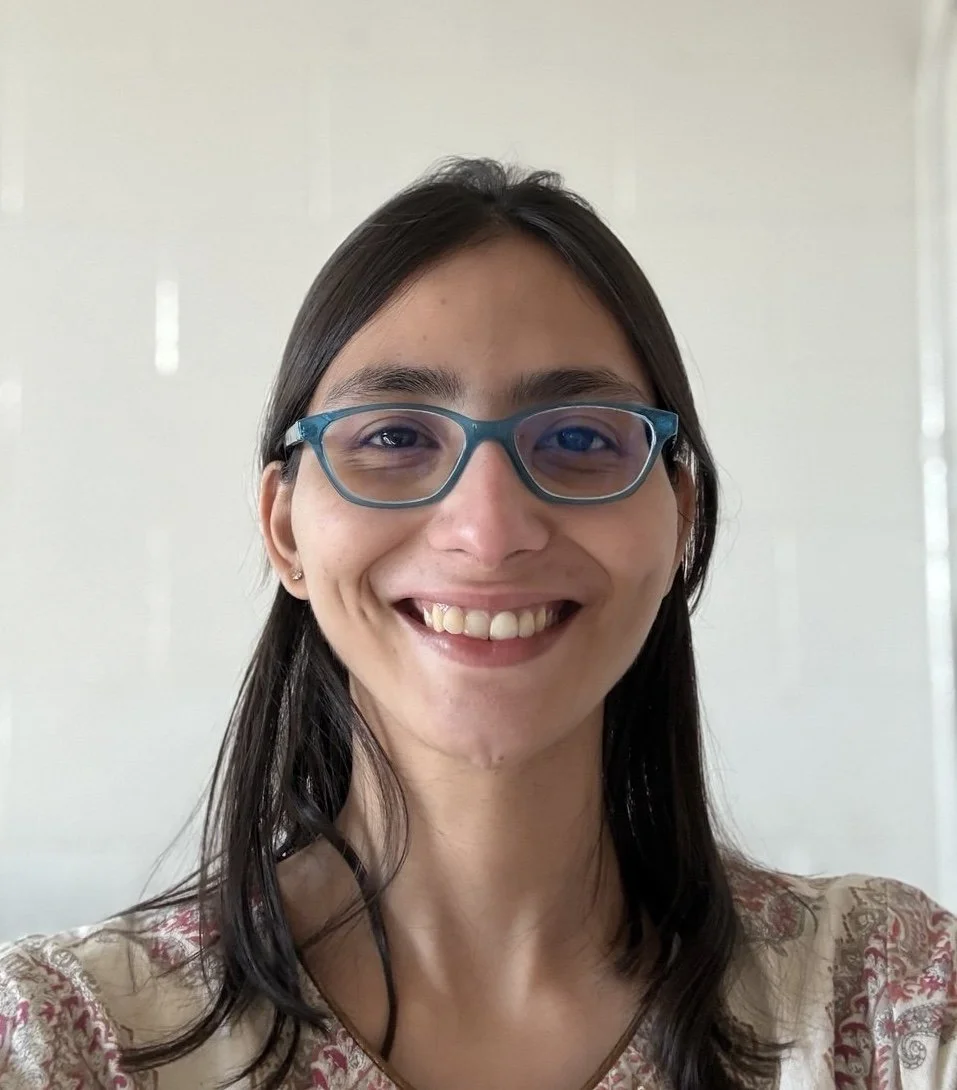
Madhuparna Bhattacharya
Research Assistant

Dr. Joanne Parsons
Research Team
Co-Principal Investigator

Dr. Stephanie Coen
Co-Principal Investigator
Funders & Collaborators

Emma Ostermeier
Co-Investigator

Ifza Irfan
Research Assistant